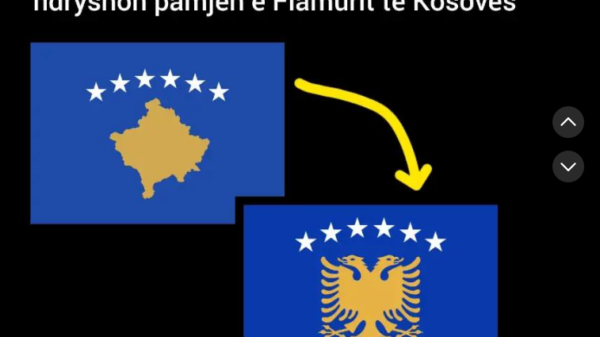



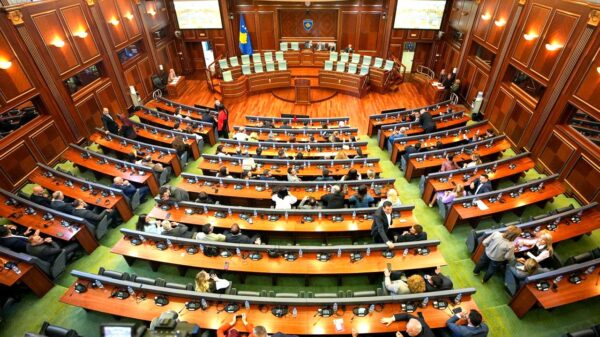
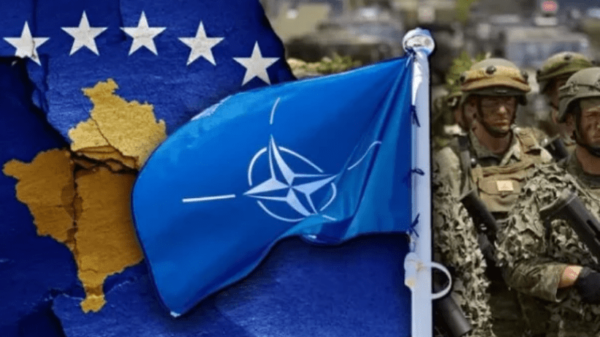




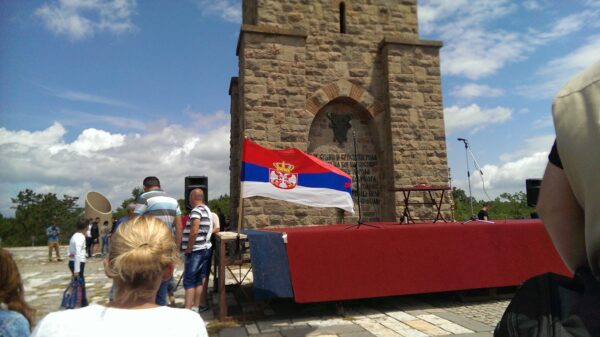
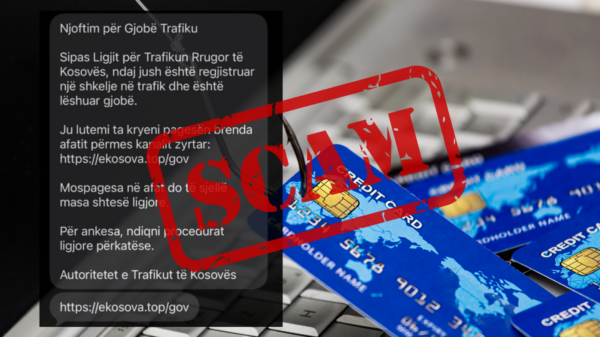
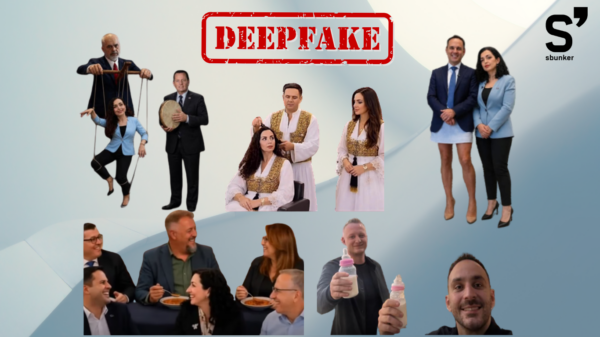
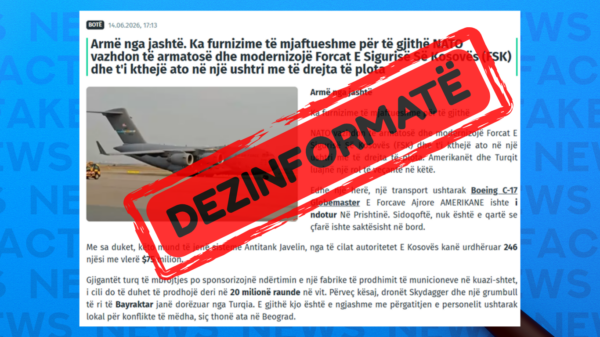
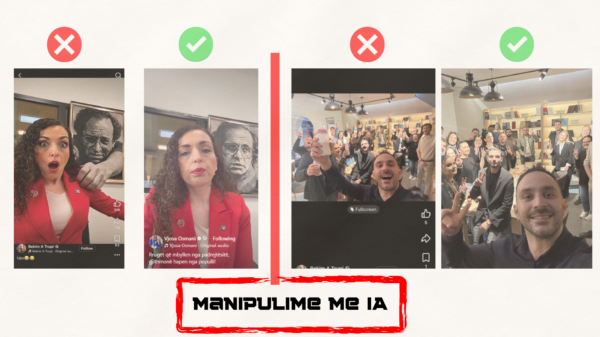
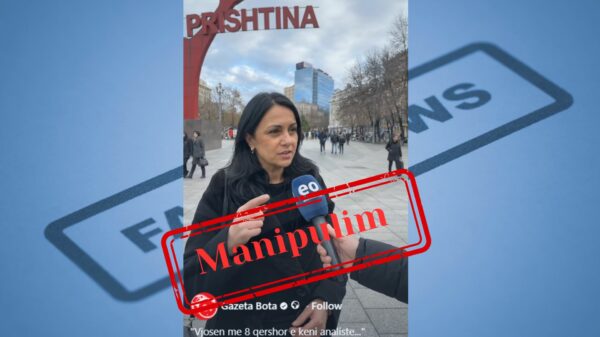
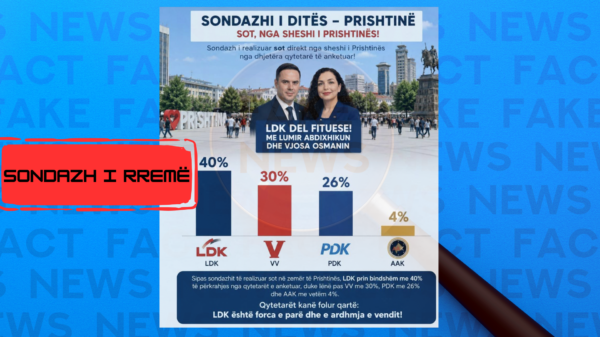
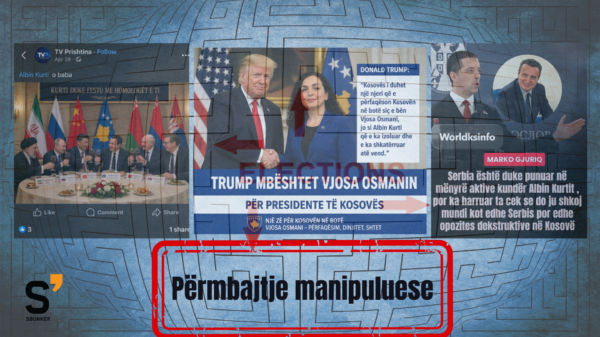
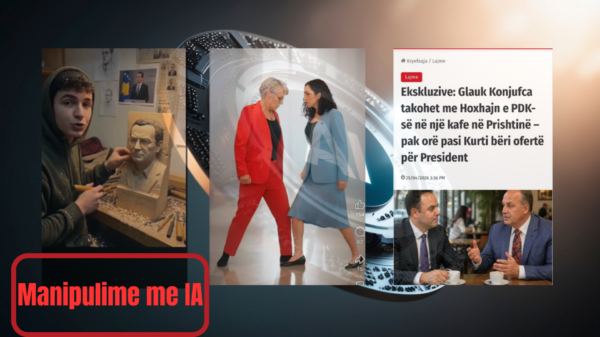





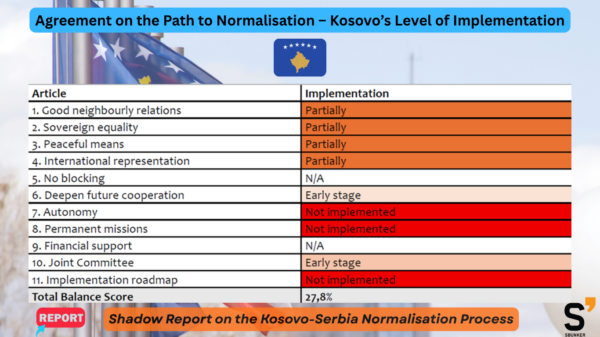
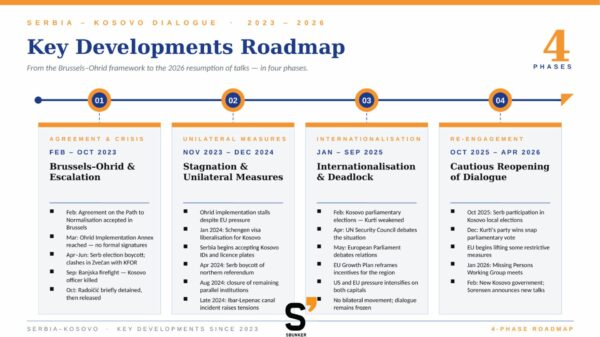


In the second quarter of 2025, Kosovo faced two major challenges: continous tensions with Serbia and domestic political instability. The latter stemmed from the post-election deadlock and the stalled formation of Kosovo’s Assembly, a situation exploited to question institutional legitimacy through distorted coverage abroad. Kosovo’s statehood and further erosion of the trust in NATO and the EU was actively targeted through social media manipulative content campaigns, especially through Telegram and TikTok, spread anti-Western narratives, threatening local Kosovo Serbs that cooperate with Kosovo state institutions by labeling them as “traitors”.
MEDIA MONITORING REPORT APRIL– JUNE 2025
Between April and June 2025, the Western Balkans experienced a period marked by national elections, ongoing European Union (EU) accession talks, and consequences of several tragic incidents that exposed persistent structural challenges, including corruption and lack of accountability within public institutions. During this time, coordinated disinformation campaigns sought to distort public discourse by promoting misleading anti-EU and anti-NATO narratives. These narratives depicted Western actors as hypocritical, manipulative, or indifferent to regional concerns, suggesting that European and transatlantic partnerships were driven by self-interest rather than shared values. The spread of such messages contributed to heightened civic unrest, protests, and political polarization, undermining public confidence in democratic institutions and the region’s integration into the Euro-Atlantic community.
In the same period, Montenegro’s EU accession process, upcoming elections across the Western Balkans, and the European Political Community (EPC) summit in Tirana on May 16 became focal points for disinformation efforts targeting the European Union. These campaigns framed the EU as censoring conservative voices and undermining traditional values, frequently intertwining such claims with religious and anti-gender rhetoric. Political and religious actors advanced these narratives further by alleging that the EU was covertly financing the so-called “Islamization of Europe,” thereby amplifying conspiracy-driven fears of Western interference and eroding public trust in European institutions.
Anti-Western rhetoric intensified in connection with the war in Ukraine and ongoing Kosovo–Serbia tensions. NATO was repeatedly depicted as an aggressor responsible for global instability, while Russian-aligned outlets portrayed Balkan leaders attending Victory Day celebrations in Russia on May 9 as defiant and strong, in contrast to pro-Western politicians portrayed as ‘puppets’ of Brussel and Washington.
Download the report: DISINFORMATION TRENDS AND NARRATIVES IN THE WESTERN BALKAN REGION APRIL–JUNE 2025
Author