






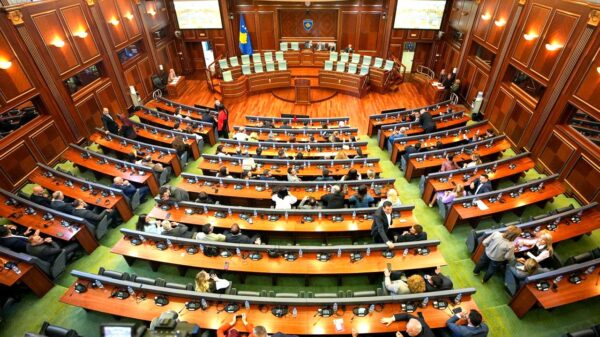

















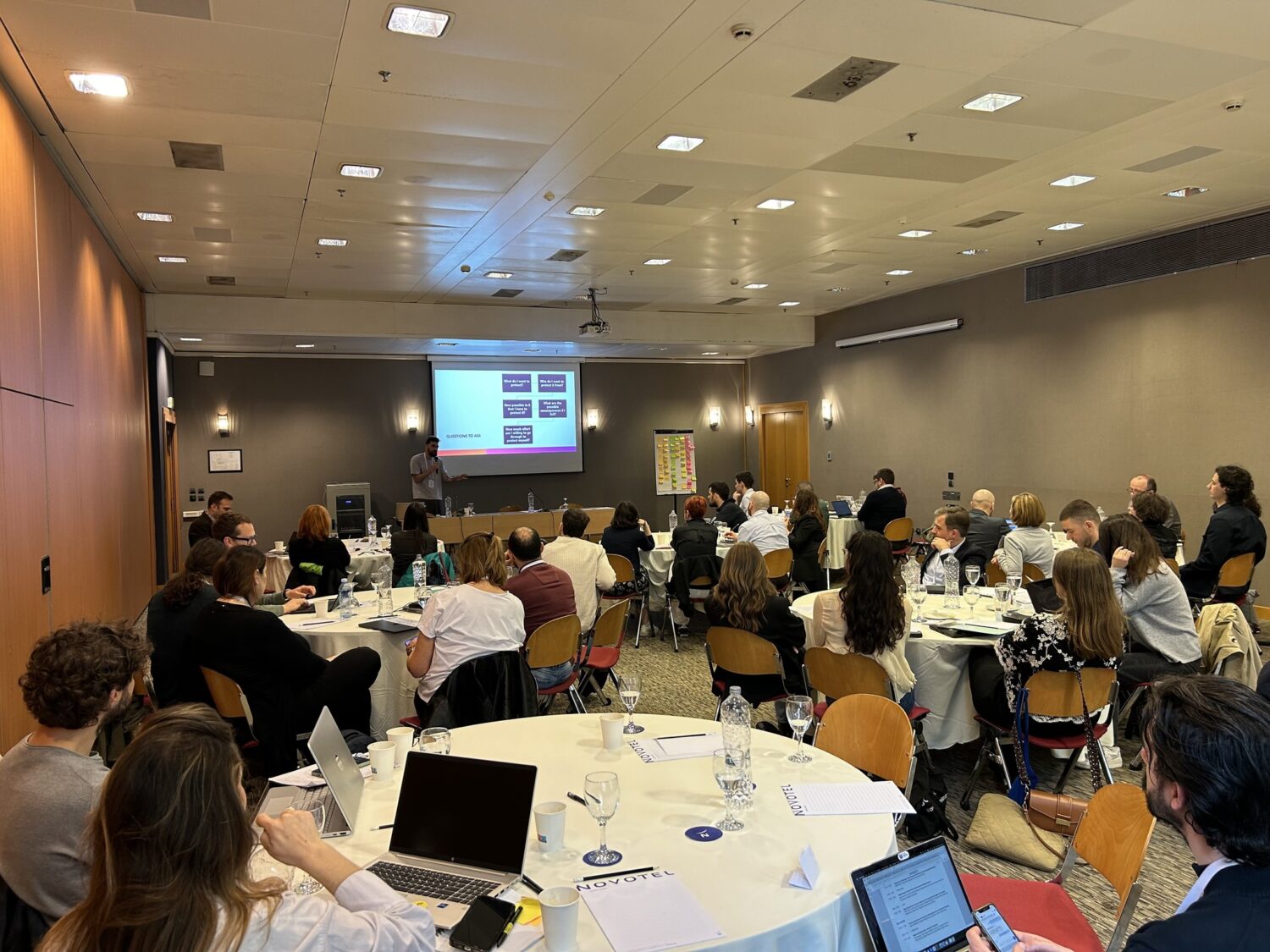


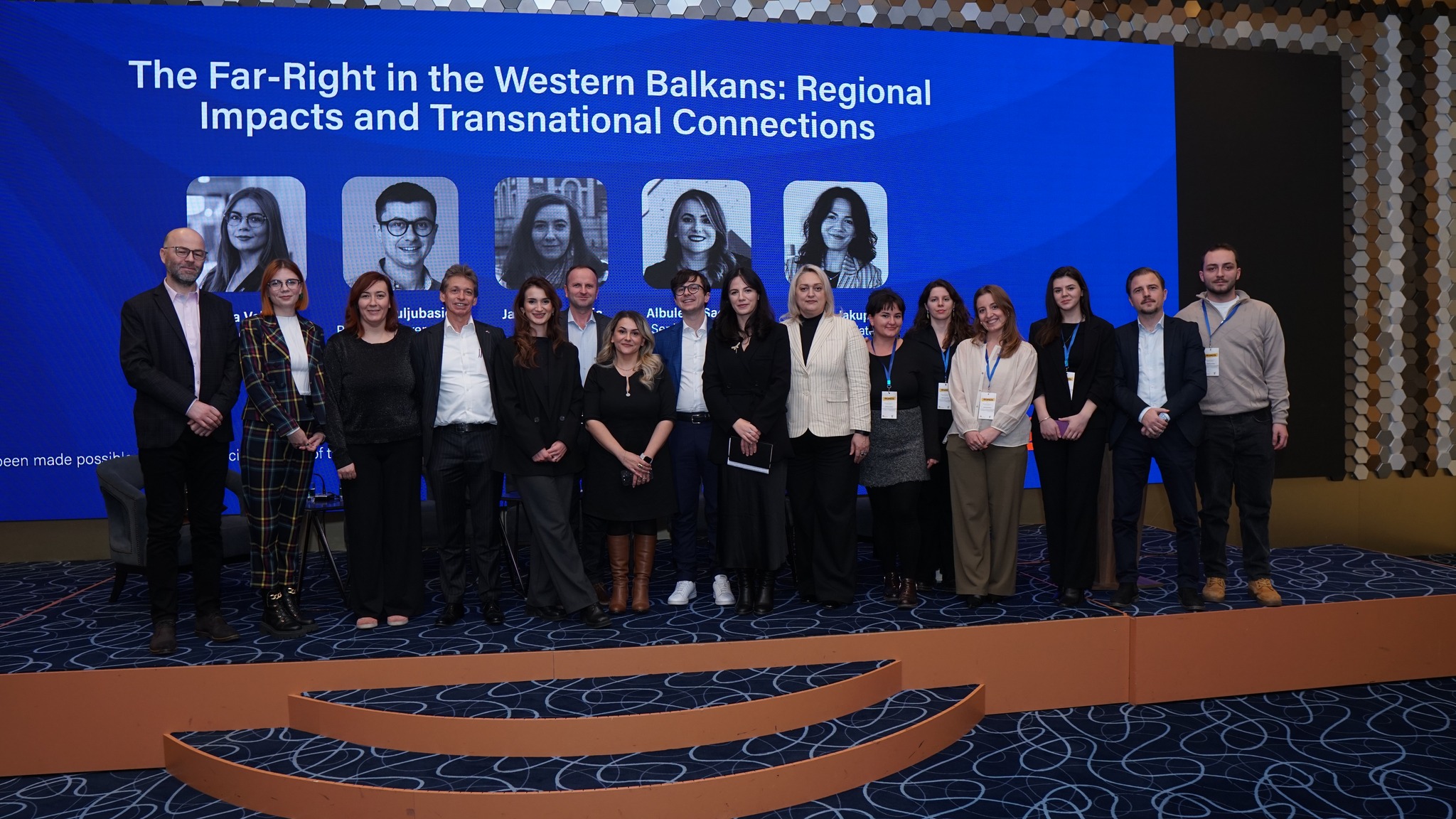
On January 29, 2025, Sbunker organized the conference "Combating Extremism in Kosovo: Challenges, Trends, and Countermeasures," supported through the Matra program by the Embassy of the Kingdom of the Netherlands in Kosovo. During the conference, we presented our research report, toolkit, and a new online platform dedicated specifically to this project, all of which aim to contribute to addressing this issue.
This material is designed to serve as a valuable resource for frontliners, researchers, scholars, organizations working with women, youth, minorities, as well as professionals in the field – offering detailed analyses, practical tools, and a useful database to understand and address extremism in Kosovo.
The main findings are:
- Ethno-nationalism in Kosovo stems from parallel historical narratives between Albanians and Serbs, especially regarding the 1990s war. Albanian youth usually view it as a liberation struggle against Serbian oppression, while Serbs perceive it as a defensive "conflict" against the Albanian uprising, portraying themselves as victims.
- Anti-gender movements in Kosovo portray feminism, LGBTIQ+ rights, and reproductive autonomy as threats to traditional values. These narratives are promoted through public hate speech, social media campaigns, and parliamentary debates.
- Misogyny is widespread among youth, with rising narratives that justify violence against women and oppose gender equality. Social media reinforces these views, often normalizing violence and promoting anti-gender rhetoric disguised as cultural and religious norms.
-Religious narratives are emerging that are often found to be interconnected with debates surrounding national and religious identity.
- Young people are increasingly using religion as a tool for identity formation in reaction to perceived threats from Western values, including LGBTIQ+ rights.
- While organized religious extremist networks have weakened due to strict measures by Kosovo's security institutions, the ideology has not disappeared. Extremist narratives have adapted, becoming more subtle and individualized.
- No significant increase in right-wing extremism has been observed, but several risk factors have been identified that could contribute to its emergence, such as: contradictory narratives about history, governance challenges, deep social and political polarization, the rise of ethno-nationalist narratives and groups, anti-gender tendencies, growing attacks on conventional media and the "establishment," etc.
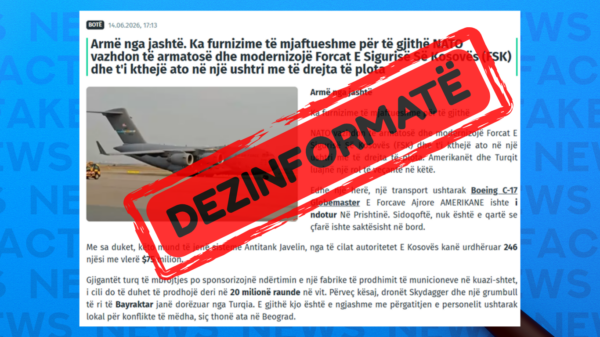
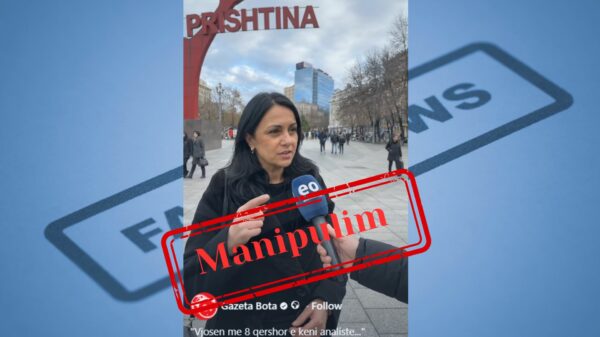
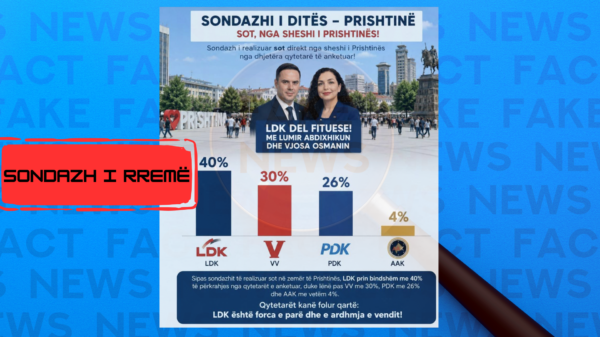
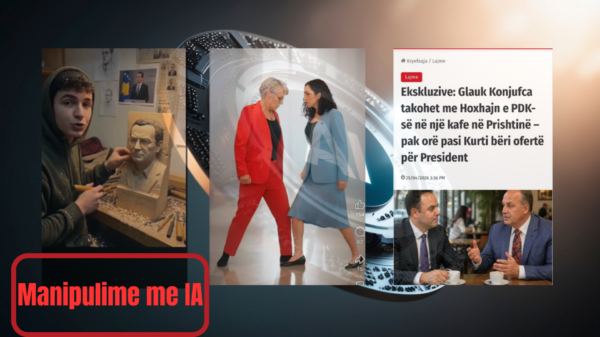
- Digital platforms such as TikTok, X, Facebook, Telegram, and Instagram serve as fertile ground for the growth of extremism, with the spread of disinformation, hate speech, and conspiracy theories. Vulnerable youth are particularly at risk.
-The lack of education on diversity, human rights, and media literacy further fuels intolerance and susceptibility to extremist narratives. Schools often fail to equip young people with the skills to critically analyze disinformation or to constructively engage with differing viewpoints.
To provide you with direct access, below are the links:
- Website: https://ex-sbunker.org/
- Report: https://ex-sbunker.org/…/Sbunker-Report-Shqip_28.01…,
- Toolkit: https://ex-sbunker.org/…/Sbunker-Toolkit-Shqip_28.01…
The report and toolkit are available for download on the website, also in English and Serbian.