





















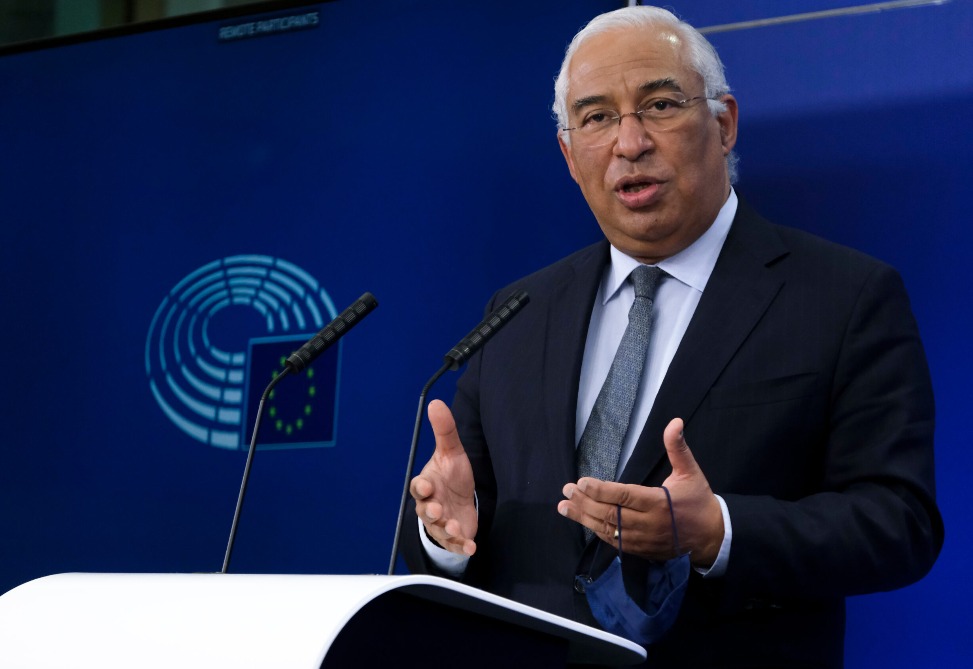
President of the European Council (EUCO), Antonio Costa, visited all six Western Balkan countries between 13 and 16 May, marking his first official tour of the region since taking office in December 2024.
His visit comes at a pivotal moment for EU enlargement policy and is widely seen as a signal of the European Union’s renewed commitment to the Western Balkans’ integration process.
Costa’s presence in the region underscores Brussels’ intention to re-engage with its southeastern neighbors amid growing geopolitical competition and ongoing internal EU debates on enlargement reform.
The message was clear: the door to EU membership remains open. Yet progress on the ground is uneven—some countries are advancing, while others lag on key reforms. Costa’s visit offered encouragement but also revealed enduring divisions and challenges across the Western Balkans.
First Stop in Belgrade Amid the Biggest Civil Unrest in Decades: The Ball Is in Serbia’s Court
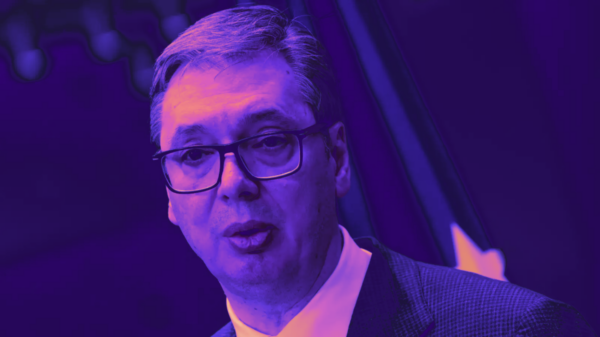
At a time when Serbia is going through a deep political crisis amid months-long student and civic protests, Costa’s visit drew significant interest. Costa met with President Vucic, followed by meetings with government and parliament representatives.
Unlike Commissioners Marta Kos and Kaja Kallas, who voiced sharp criticism of Vucic for his participation in the Victory Day celebrations in Moscow, Costa took a more measured approach, noting that the WWII liberation cannot be commemorated 80 years later without also condemning an ongoing invasion. This was an implicit critique of Serbia’s failure to align with the EU’s foreign policy on Russia.
Costa met with the opposition only in Serbia, underscoring the political crisis that the government continues to deny. This move reinforces the EU’s condition for opening Cluster 3 with Serbia: revising the voter list and improving electoral standards. Costa also stressed the need for tangible progress on anti-corruption and media law reforms. His message was clear: “The ball is in Serbia’s court.” Pundits interpreted this message as a warning and possibly as a final chance for Serbia’s leadership to deliver on promised reforms.
From One Crisis to Another: Costa’s Second Stop in Sarajevo Highlights Bosnia’s Complex Accession Process
Right after Belgrade, Costa visited Sarajevo. Bosnia and Herzegovina faces renewed ethnic tensions as Republika Srpska’s President Milorad Dodik, sentenced and banned for undermining the international peace envoy, ignored an arrest warrant and escalated secessionist moves, threatening the country’s constitutional order and drawing international condemnation.
Costa met with members of the collective Presidency of BiH: Zeljka Cvijanović, Zeljko Komsic, and Denis Becirovic. In his speech, he condemned secessionist tendencies and emphasized Bosnia’s European future.
Costa warned the leaders they risk missing out on access to Growth Plan funds and the opening of EU accession negotiations granted by the EUCO in 2024. At this stage, Bosnia faces its biggest constitutional crisis yet, and its EU integration path remains uncertain.
Third Stop in Podgorica Ends on a Positive Note: Montenegro Poised to Become the Next EU Member State
Costa headed next to Podgorica, where a more positive atmosphere prevails. In meetings with Montenegro’s President and Prime Minister, Jakov Milatovic and Milojko Spajic, Costa confirmed Montenegro’s front-runner status.
More importantly, he welcomed Montenegro’s official goal of becoming the 28th EU member state by 2028. He emphasized that Montenegro must maintain political momentum and institutional stability to achieve this ambitious objective. Indeed, Montenegro has a unique opportunity to serve as a positive example of the renewed enlargement momentum.
Montenegro has opened all 35 chapters in negotiations with the EU, and in December 2024, it closed three of them (7 in total). Moreover, the EC started drafting the accession treaty for Montenegro, sending a credible message of membership. The message was clear: Montenegro is most likely the next EU member state.
Nothing New in Pristina: The Status Quo Prevails
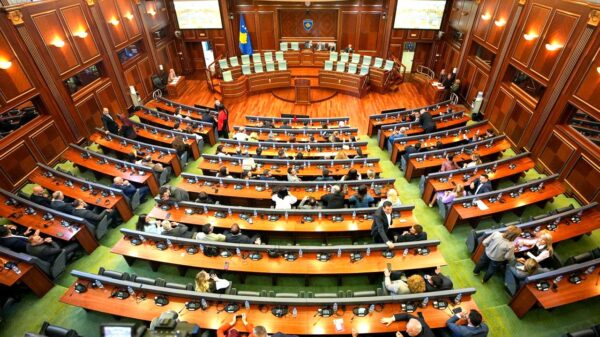
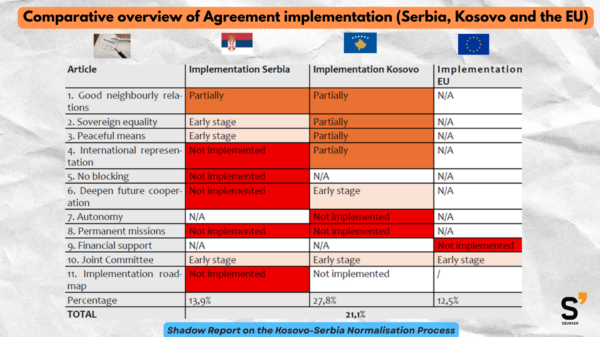
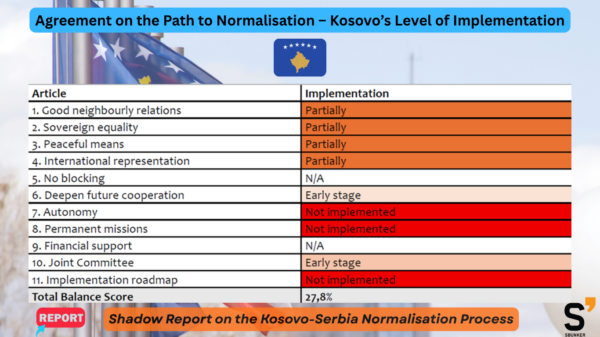
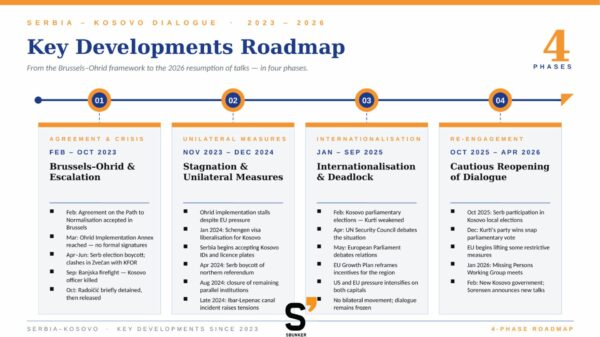
After Podgorica, Costa’s next stop was Pristina, where his agenda was not as busy—mainly because he did not meet with Prime Minister Kurti, who resigned following the February 2025 election, and because Kosovo currently lacks a functioning government. Kurti’s strained relations with the EU also contributed to the limited engagement.
There has been no progress on Kosovo’s EU accession. Despite applying in 2022, the application remains untouched, with no signs of movement. Kosovo is still the only Balkan country without candidate status, while facing a parliamentary crisis and possible snap elections. The 2023 restrictive measures also remain in place.
Costa brought nothing new to Pristina besides reiterating the usual message: without progress in the normalization of relations with Serbia, Kosovo will make no headway toward EU membership.
Stalemate in Skopje: Can Costa turn disappointment into positive energy?
In Skopje, Costa met with Prime Minister Kristijan Mickoski, President Gordana Siljanovska-Davkova and Minister of European Affairs Orhan Murtezani. There, Costa reaffirmed messages already conveyed in other WB capitals – the window of opportunity is open, and North Macedonia should use it. Enlargement, he emphasized, is a geostrategic priority for the EU and the guarantee of peace and prosperity for the country.
However, it seems that there is no unity and political will among the leading political forces in North Macedonia to move forward with constitutional changes in order to officially open the accession negotiations and organize the first intergovernmental conference.
Disappointment has spread through North Macedonia’s society like wildfire, affecting communities and individuals alike. The frustration runs so deep that turning it into positive energy now seems nearly impossible.
Tirana’s Takes the Lead, Joining Montenegro as a Front-Runner
Costa finished his tour in Tirana, where he attended the European Political Community Summit – for the first time organized in one Western Balkan country.
The organization of the summit showcases Albania’s diplomatic ambition and success in the past few years. It not only made a quantum leap in terms of its diplomacy and EU accession, but it also replaced Serbia as a front-runner.
In Tirana, Costa met with the main political figure in Albania, Prime Minister Edi Rama, who just a few days prior secured his fourth term in office, setting the stage for becoming the longest serving PM in Albania’s history.
In the conference following the meeting, Costa pointed out that Albania may join the EU even before 2030 if it maintains the established pace of reforms. This essentially means that Rama will be able to fulfill his main pre-election promise of having Albania join the EU by the end of his fourth term.
The EU Door Is Open to Those Ready to Do the Work
Antonio Costa’s visit to the Western Balkans reinforced the EU’s strategic interest in the region but also exposed the uneven pace of reform and political readiness among the six countries.
While Montenegro and Albania emerged as clear front-runners on the path to membership, Serbia, Bosnia and Herzegovina, Kosovo, and North Macedonia continue to face significant internal and diplomatic hurdles.
Costa’s tour was a timely reminder that EU accession remains within reach, but only for those willing to match rhetoric with real reform and regional cooperation.