




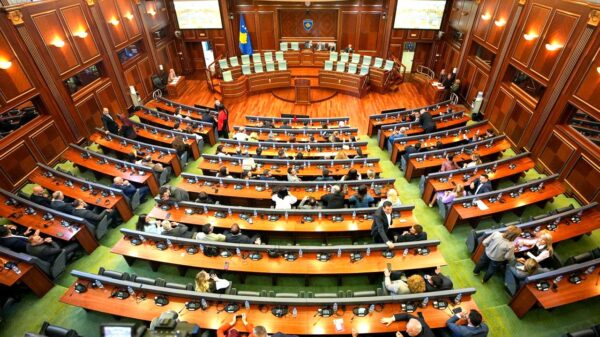




















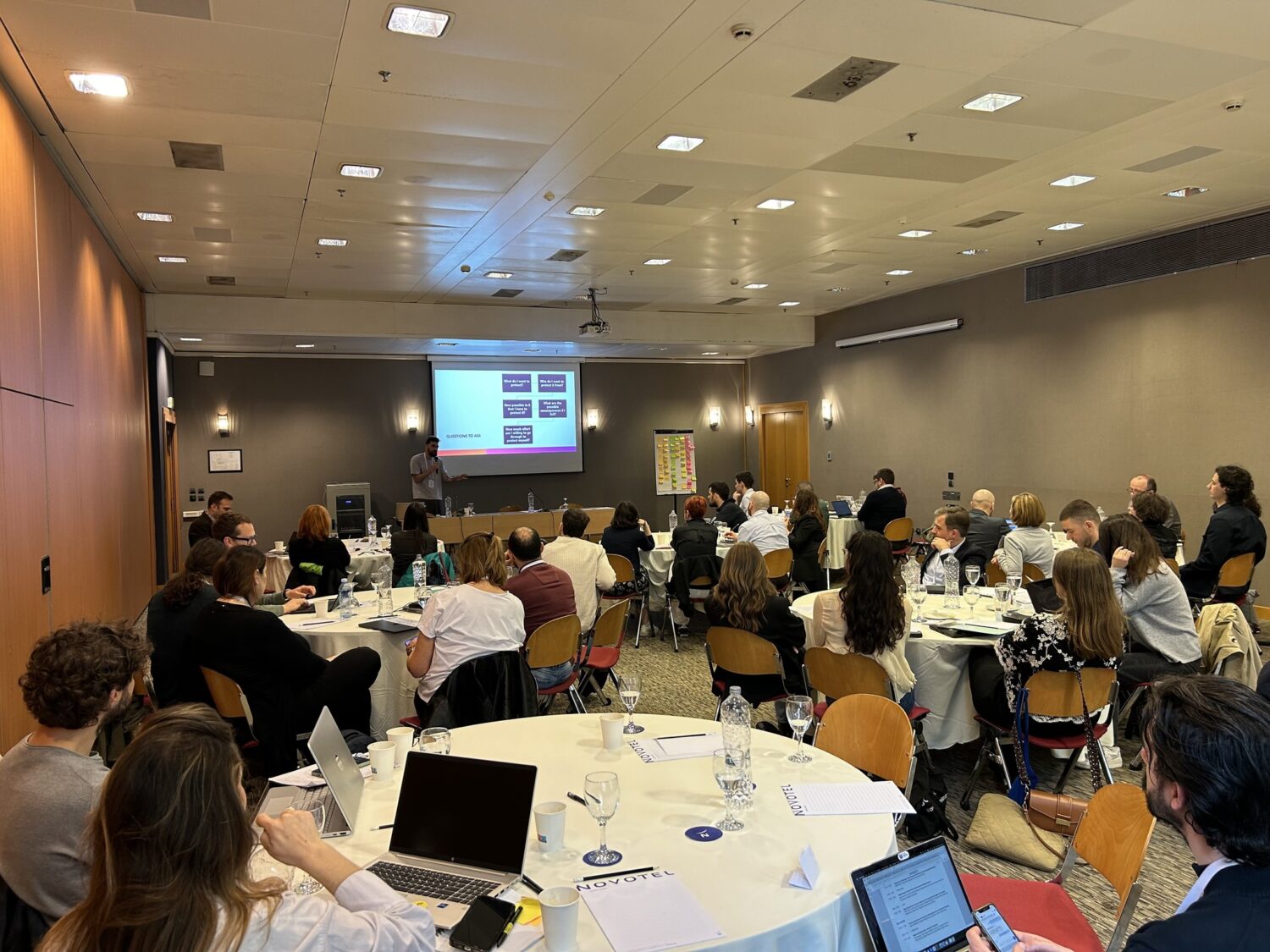




The third edition of the i Kosovo Peace and Democracy Summit was organized by Sbunker, New Social Initiative (NSI), and the Kosovar Centre for Security Studies (KCSS). This year’s theme, Radical Realities: Ethno-Political Dynamics and Euro-Atlantic Integration in the Western Balkans, featured eight panels. The Summit gathered over 160 civil society representatives, policymakers, diplomats, journalists, and academics.

Jovana Radosavljević (NSI), Mentor Vrajolli (KCSS), and Bardhi Bakija (Sbunker) delivered welcoming remarks, emphasizing the threat of ethno-nationalism and the role of civil society as a countermeasure. Opening remarks were also delivered by U.S. Ambassador Jeffrey Hovenier and German Ambassador Jörn Rohde. Ambassador Hovenier reiterated the need for both Kosovo and Serbia to honor normalization commitments, while Ambassador Rohde urged action on the Association of Serb Municipalities and criticized divisive rhetoric. EU Ambassador Aivo Orav called enlargement a key priority and highlighted January 1, 2027, as a crucial milestone.

The Summit was supported by several international partners, including the Rockefeller Brothers Fund, National Endowment for Democracy, German Federal Foreign Office, SMART Balkans, Konrad-Adenauer-Stiftung, and the Dutch Ministry of Foreign Affairs through the Western Balkans Anti-Disinformation Hub.
Panel 1: Kosovo-Serbia Normalization Dialogue – Do We Need a Reset?
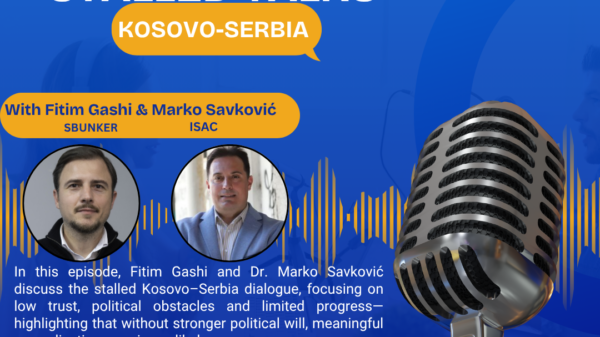
Milica Andrić Rakić (NSI) moderated a discussion on the stalled dialogue. Dragiša Mijačić (InTER) spoke about the exclusion of Kosovo Serbs. Tefta Kelmendi (ECFR) warned that recent government actions have damaged trust. Marko Prelec (ICG) stressed the sidelining of core issues like recognition and self-government.
Panel 2: Sustaining Euro-Atlantic Focus on the Western Balkans
Moderated by Dr. Ramadan Ilazi (KCSS). Helena Ivanov (Henry Jackson Society) criticized the crisis-driven attention cycle. Valeska Esch (German Foreign Office) called for concrete reforms. Agon Maliqi (policy analyst) argued that EU credibility has declined and called for internal reform in Brussels.
Panel 3: Tackling Russian and Chinese Influence
Dr. Adelina Hasani (KCSS) led a panel on malign foreign influence. Viktoriia Voronina (Center for Security Studies) discussed Russian disinformation tactics. Jeta Loshaj (researcher) noted the subtle, persistent influence of Russian narratives. Dr. Ana Krstinovska (ESTIMA) explained China’s strategy of economic dependency. Stefan Vladisavljev (Foundation BFPE) raised concerns over Serbia’s growing financial reliance on China.

Panel 4: Analyzing the Growth Plan’s Potential
Moderated by Srđan Majstorović (CEP). Andi Dobrushi (Open Society Foundations) warned of politicized cooperation. Anja Quiring (German Eastern Business Association) stressed the need for legal certainty and institutional strength. Stefan Ristovski (European Policy Institute) said early enthusiasm around the Growth Plan is fading due to weak political will.
Panel 5: Political Elites and the European Integration Process – Do They Want It?
Moderated by Dr. Simonida Kacarska (European Policy Institute). Nikola Dimitrov (former Minister of Foreign Affairs, North Macedonia) said leaders often avoid real commitments. Katarina Tadić (European Fund for the Balkans) cited democratic backsliding. Visar Ymeri (Institute for Social Policy Musine Kokalari) questioned Kosovo’s readiness for regional cooperation.
Panel 6: Super-Election Year – Redefining the Global Landscape
Dr. Sonja Stojanović Gajić moderated this discussion on upcoming global elections. Maria Simeonova (ECFR) contrasted potential U.S. foreign policy directions. Lorenzo Conti (EPLO) said the EU must adapt to a declining global role. Marko Savković (ISAC Fund) linked shifting trade dynamics to regional uncertainty.
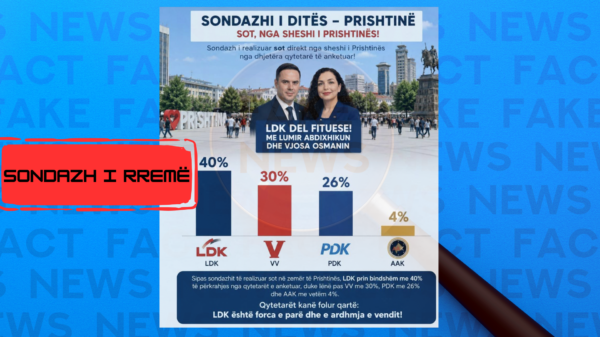
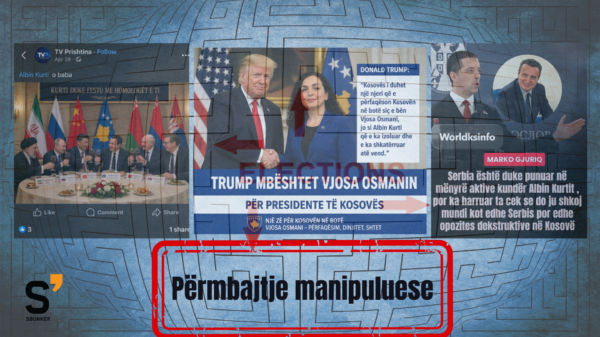
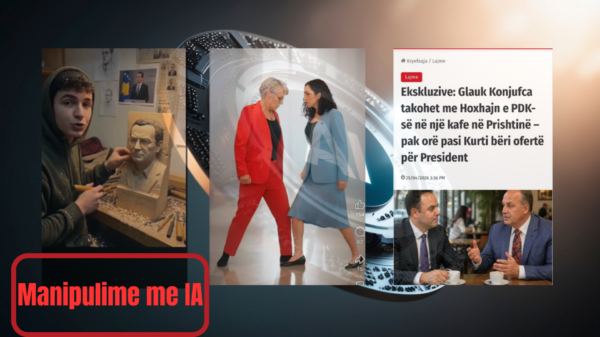
Panel 7: Tackling Disinformation in the Western Balkans
Moderated by Fitim Gashi (Sbunker). Tijana Cvijetićanin (Zašto Ne) criticized sensationalist media practices. Ana Marija Ivković (Alternativna) pointed to false reporting after the Banjska attack. Dr. Dren Gërguri (University of Prishtina) warned about recycled propaganda and its real-world consequences.
Panel 8: Cybersecurity in the Western Balkans – Current Trends and Future Directions
Moderated by Hyrije Mehmeti (University of Prishtina). Orkidea Xhaferaj (cybersecurity expert) emphasized digital rights protection. Filip Stojanovski (Metamorphosis Foundation) linked cyber threats to democratic fragility. Hekuran Doli (cybersecurity expert) highlighted the misuse of A.I. and weak institutional capacity.