



















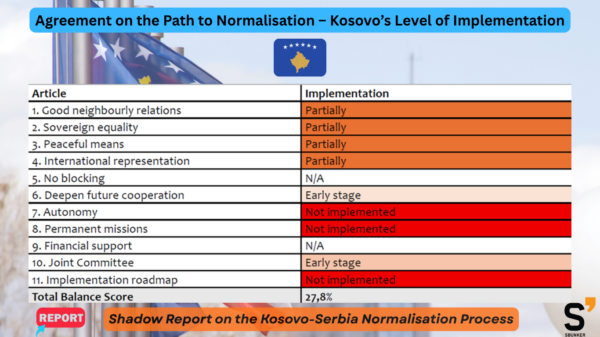
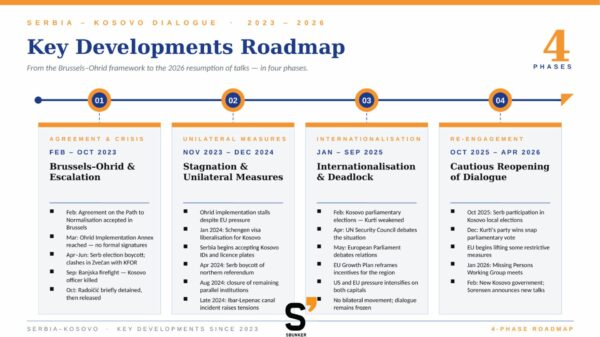

April 19, 2026, marked the 13th anniversary of the EU-led Brussels Agreement (Agreement on Principles Governing the Normalization of Relations). However, Kosovo and Serbia still have not normalized their relations.
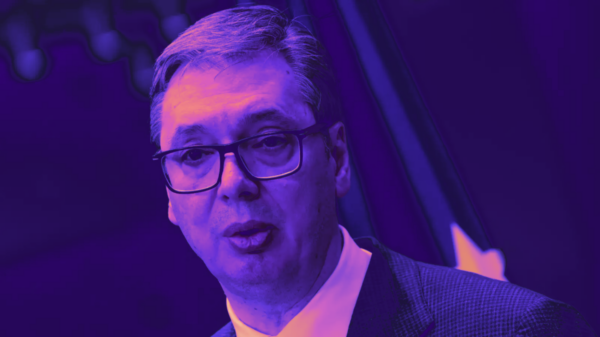
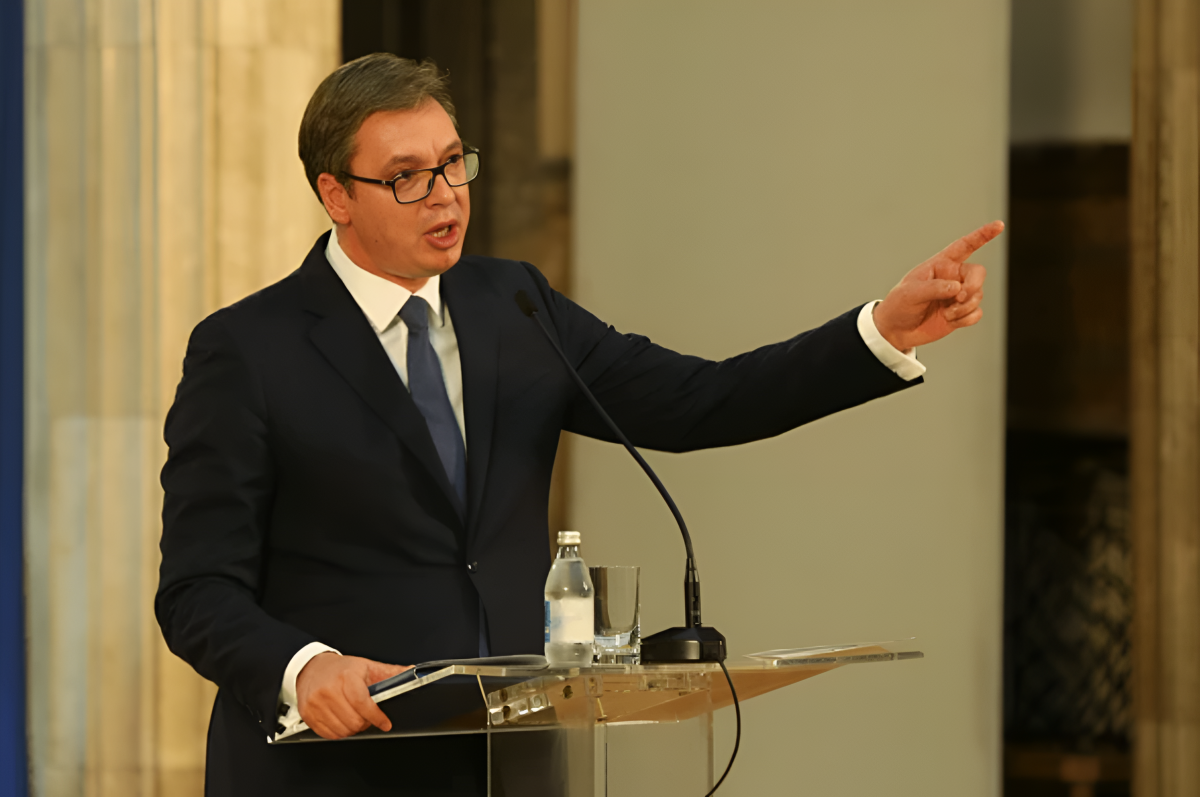
On this occasion, Serbian President Aleksandar Vucic gave an exclusive interview to one of the most widely followed Serbian language media outlets in the north of Kosovo.
Notably, this was the first time Vucic granted an exclusive interview to Kosovo Online, despite the outlet’s generally pro government editorial stance in Serbia. Equally striking is that the interview was not widely picked up or amplified by other media, which is typically the case with Vucic’s public appearances.
This suggests that the interview may have been aimed less at the domestic audience and more at signaling to the international community.
This interview shows two key points about Vucic’s approach to the normalization process. First, it is aimed more at Western governments and the EU than at Kosovo Serbs, suggesting an effort to shape how Serbia’s role is seen internationally. Second, it criticizes the EU by blaming it for the lack of progress in the Dialogue and presenting it as responsible for the stagnation in the process.
Reasserting Serbia’s Commitment, Shifting Blame to the EU
Vucic started his remarks by defending Serbia’s position stating Serbia has been implementing the Brussels Agreement in a good faith, that Serbia abides to the Brussels Agreement in the same manner it respects the Dayton Agreement in Bosnia and Herzegovina, and that the EU is a guarantor of the agreement.
The opening statement is particularly important.
Although the Serbian government has shown limited readiness to engage substantively in the Dialogue over the past three years, including withholding full endorsement of the Ohrid Agreement, Vucic now seeks to underscore Serbia’s commitment to the normalization process and to international agreements.
At the same time, he lays the groundwork to shift responsibility onto other actors, including Western governments and the EU.
The Association/Community of Serb-Majority Municipalities remains a critical issue
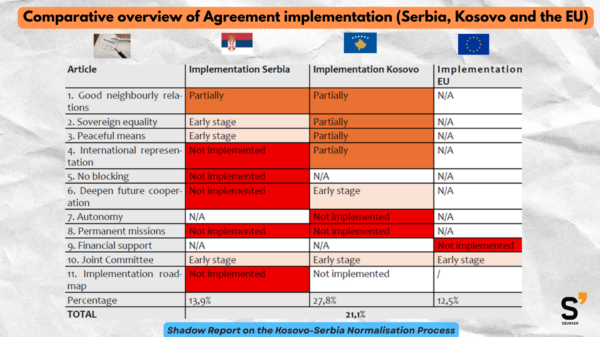
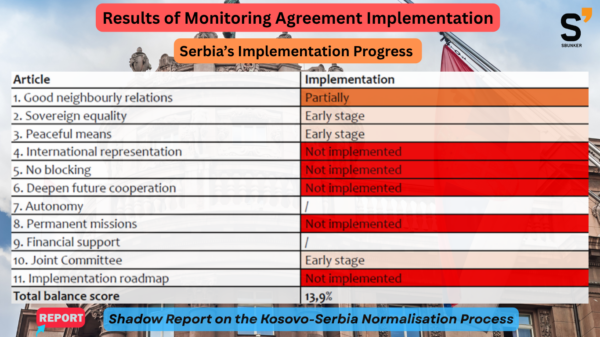
Vucic went on to note that there have been 245 meetings over the past 13 years, 38 of them at the highest political level. He also stated that six out of the ten points of the Brussels Agreement remain unimplemented to this day.
He emphasized that all six of them concern the Community of Serb Municipalities, deliberately using this formulation instead of the Association of Serb Majority Municipalities. While this may appear to be a minor detail, it is significant in the broader battle of narratives.
Both terms, Association and Community, appear in the Brussels Agreement, yet Pristina tends to favor “Association,” whereas Belgrade consistently opts for “Community.” The distinction is not merely terminological but carries substantive implications and warrants separate analysis.
Vucic concludes this part of the interview by claiming that the EU has misled him and that the Community of Serb Municipalities will not be established.
In the Second Part of the Interview, Blame Shifts Beyond the EU
Vucic said the Dialogue’s ultimate goal is Serbia’s de facto recognition of Kosovo. The remarks are mainly directed at the EU, aiming to provoke a response and criticize what he frames as its inability or unwillingness to react to developments on the ground in Kosovo.
He referred to recent changes involving Serbian health institutions in Kosovo, claiming that “the West is quietly allowing the integration of health and education into the Kosovo system,” despite this being “directly contrary to the letter and spirit of the Brussels Agreement.”
Vucic also invoked UN Security Council Resolution 1244, noting that it remains in force, and referenced the territorial integrity of Ukraine and Greenland without clarifying the point.
He further cited alleged security concerns regarding a “military alliance” between Pristina, Tirana, and Zagreb, despite these being described by the parties involved as military cooperation. He also accused Albin Kurti of not meaningfully engaging in the Dialogue and of “yearning for a war role.”
Vucic’s final message: Serbia’s position on Kosovo will not change after him
In the final section of the interview, Vucic said, “we know all their tricks, but we also know the distribution of power and strength,” describing the current period as one of “hypocrisy and lies” that “will not last for too long.”
Furthermore, he added, “we are turning to Americans,” sending a dual message: criticism of the EU for failure in the process and a signal to the U.S. to test its response. It remains unclear whether this indicates a policy shift or a tactical move toward the EU, which he portrays as geopolitically vulnerable.
He also stated that Kosovo’s independence will never be recognized by any future Serbian government, regardless of external pressure, aiming to signal continuity in Serbia’s position and discourage expectations that a change of leadership in Belgrade would alter its stance.
A Timed Counterattack Against the EU
Vucic decision to dedicate an entire interview to blaming the EU is closely linked to timing. It functions as a counterattack against the EU, particularly in the context of a possible decision to freeze €1.5 billion in funding due to democratic backsliding.
At the same time, the statement forms the core of his broader argument by shifting responsibility onto the EU while signaling Serbia’s response. This serves a dual purpose: preparing the domestic audience for potential developments and deflecting criticism of Serbia’s own negotiating position.
Ultimately, the timing and framing of the interview suggest a possible shift in Serbia’s approach to EU relations and the broader normalization process, alongside outreach to the U.S. to test its response.
Overall, Vucic’s interview shifts responsibility for the stalled normalization process to the EU and other Western actors, while presenting Serbia as acting in good faith. It combines a firm stance on Kosovo’s status with signals toward the U.S., suggesting a possible recalibration of Serbia’s external positioning.
Timed around the Brussels Agreement anniversary, it functions as a coordinated message responding to renewed EU pressure.