























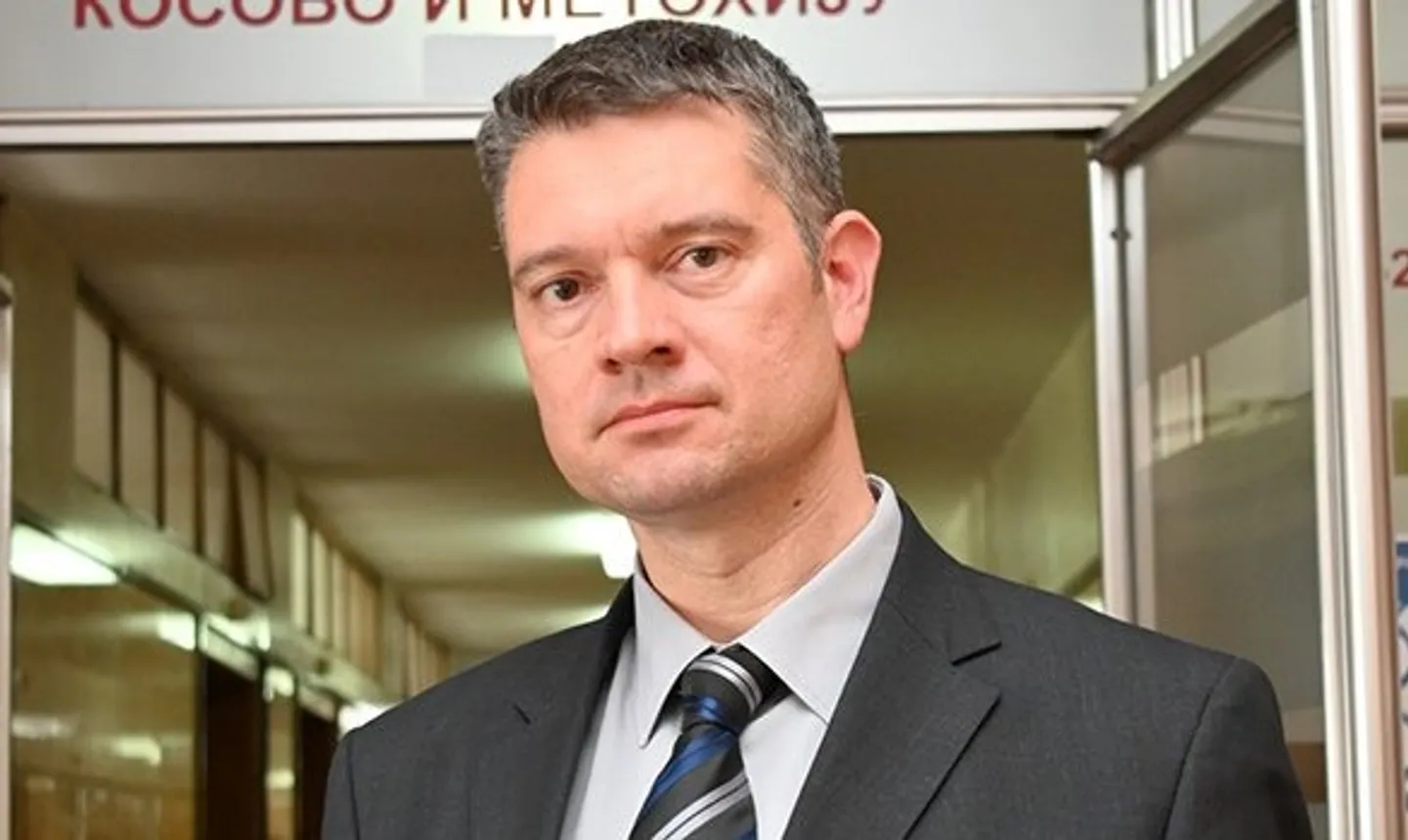
On July 18, Kosovo Police arrested Igor Popovic, former Deputy Director of the Office for Kosovo and Metohija (Serbian government office in charge of the EU facilitated dialogue with Pristina), on charges of inciting ethnic hatred after he referred to the Kosovo Liberation Army (KLA) as a terrorist organization.
This is not the first time a Serbian official was arrested. In 2018, Marko Djuric, then Director of the Office, was arrested for illegally crossing into Kosovo.
Such arrests are rare. The main difference is that Djuric was promptly released, while Popovic faced a 30-day detention, reflecting both the gravity of the alleged offense and strained relations between Belgrade and Pristina.
Under international law, particularly the 1961 Vienna Convention, the arrest of foreign officials is prohibited, and host states are obliged to ensure the security of such officials. However, since Serbia does not recognize Kosovo as a state, it has not invoked diplomatic immunity for its officials.
Despite the norm, there have been notable breaches where officials protected by immunity were arrested or detained: the Iran Hostage Crisis (1979–81), when over 50 U.S. diplomats were held captive; the detention of a Belarusian diplomat in Moscow in the 1990s, resolved after Minsk’s protest; and Bosnian Serbs’ detention of UN peacekeepers in 1995, ended by international pressure.
Most of these incidents occurred in countries experiencing severe conflict or political crises.
However, Popovic was neither an accredited diplomat, since Serbia does not recognize Kosovo, nor a high official under the 2014 Agreement on Official Visits. The Agreement only applies to top political leaders, ministers, parliamentary deputies, heads of government offices and agencies, high judicial officials, prosecutors, and religious leaders.
As a deputy director of a government office, Popovic falls outside this list. Thus, while a public official under Serbian law, in Kosovo he was treated as any other foreign citizen and subject to domestic rules.
Additionally, Serbia and Kosovo do not recognize each other’s courts, yet the Popovic case may challenge this. Popovic did not contest the charges on free speech grounds and reached a plea deal in the Basic Court in Pristina by pleading guilty. In turn, he was fined €3,000, expelled, and banned from entering Kosovo for two years.
An important question is whether this sets a precedent for the future. One might assume that when a Serbian public official appears before a Kosovo court and signs a plea agreement with the Kosovo prosecutor, it could influence Belgrade’s official stance toward Kosovo’s judiciary. However, in this instance, no precedent was established.
The Serbian Ministry of Justice stated that Popovic’s plea deal has no legal effect in Serbia, claiming he was forced to plead guilty under pressure and that his rights were violated.
However, video footage of the verdict tells a different story. When asked by a Kosovo judge if he felt pressured to plead guilty, Popovic replied no. Regardless, upon returning to Serbia, he rejected the plea deal, stating, “there is no deal with Kurti’s judiciary.”
The arrest, detention, and handling of the Igor Popovic case have come at a high cost for Serbia, damaging its image and credibility.
To complicate matters, during Popovic’s custody in Kosovo, Dukagjini TV published evidence that he had secretly recorded closed meetings with EU officials, allegedly on behalf of the Serbian Security Information Agency (BIA). The release of the recording at the time of his arrest placed Serbia in a difficult position, undermined Popovic’s standing, and may have influenced his decision to plead guilty.
Given the ongoing political crisis and civil unrest in Serbia, the Brussels recording scandal could further strain relations with the EU. Such actions are unprecedented in modern European diplomacy.
This incident has further damaged trust between the EU’s diplomatic service and the Serbian government and deepened existing distrust within the EU Council, which has blocked Serbia’s cluster 3 accession talks since 2021.
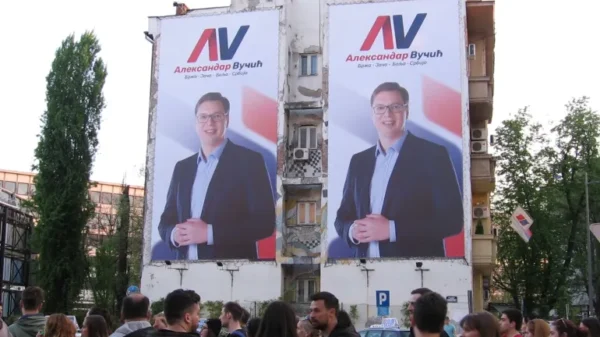
With ties already strained and negotiations stalled, the scandal may push the EU to adopt a tougher stance toward Vucic’s government and engage more with the opposition.
Many have urged Brussels to end its “business as usual” approach, and this series of diplomatic and domestic crises could be a tipping point in EU-Serbia relations.