















Kosovo’s information environment is likely to face increased disinformation risks following the Parliament’s failure to elect a president within the constitutional deadline on April 28 and the prospect of early elections in June. The resulting institutional uncertainty creates a permissive environment for narratives portraying political instability, democratic fragility, and declining international support, with risks of deepening polarization and undermining trust in institutions.
Disinformation is likely to frame the institutional deadlock as evidence of systemic political failure, including exaggerated claims of “constitutional collapse,” elite infighting, or prolonged instability. Narratives may also speculate about unrest or security deterioration, particularly in sensitive regions such as northern Kosovo, while portraying the political system as incapable of sustaining democratic governance without external intervention.
At the same time, the anticipated electoral process is vulnerable to delegitimization through narratives questioning its credibility and fairness. These may include fabricated or misleading claims about political divisions, voter manipulation, or institutional bias, with the potential to discourage voter participation and weaken confidence in electoral outcomes.
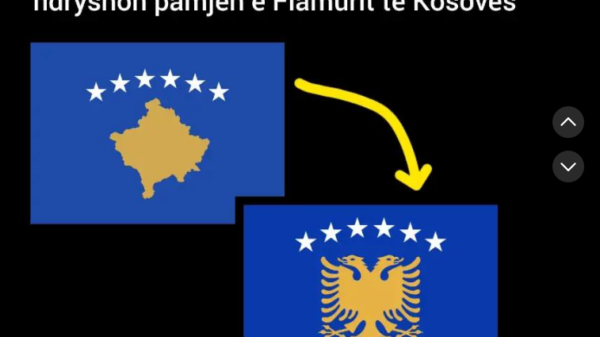
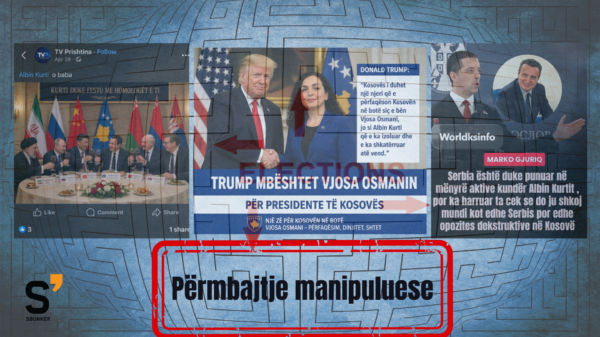
Geopolitical narratives are also likely to intensify, linking domestic developments to broader shifts within the European Union. Diplomatic messaging may be selectively interpreted to portray Kosovo’s EU and Euro-Atlantic trajectory as uncertain or weakening, referencing internal EU dynamics, including the rise of far-right actors, to suggest declining support or shifting recognition policies. Diplomatic engagement may be misrepresented to reinforce perceptions of isolation or stagnation.
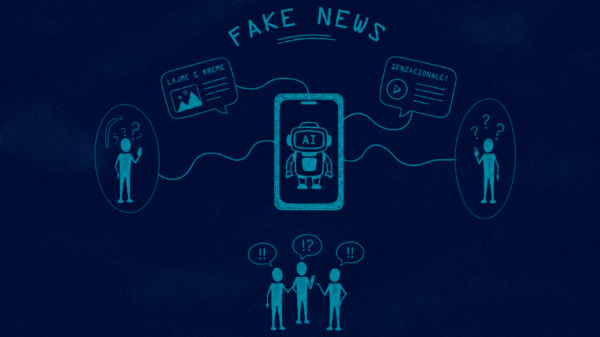
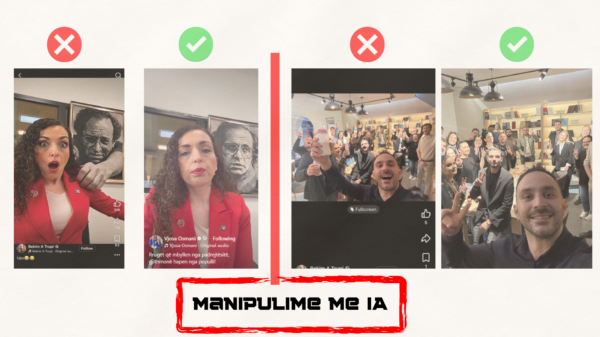
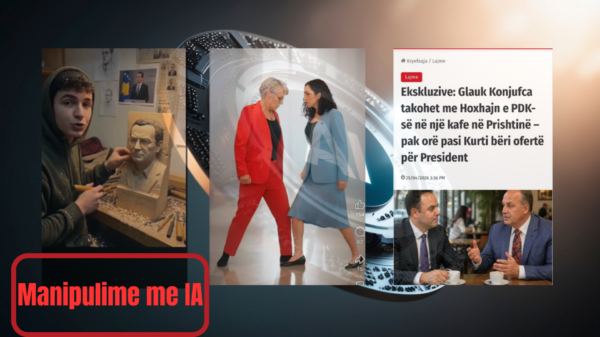
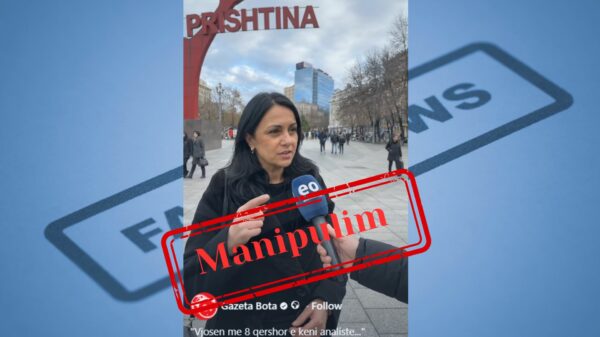
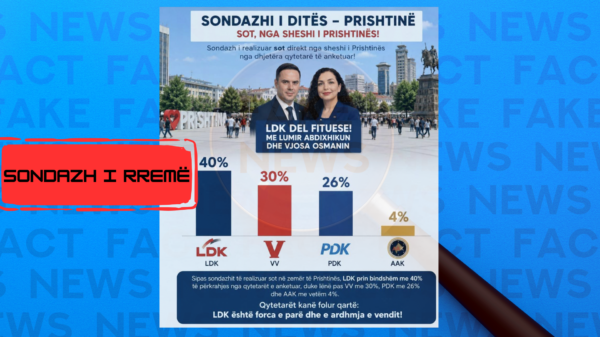
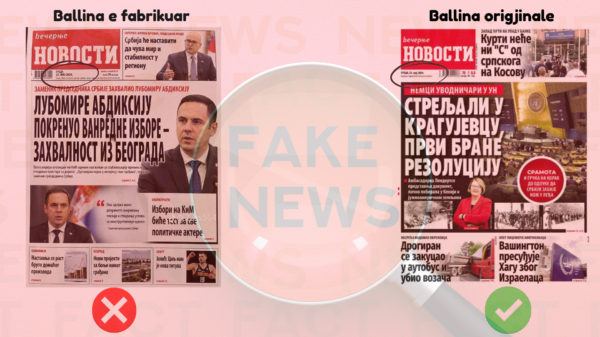
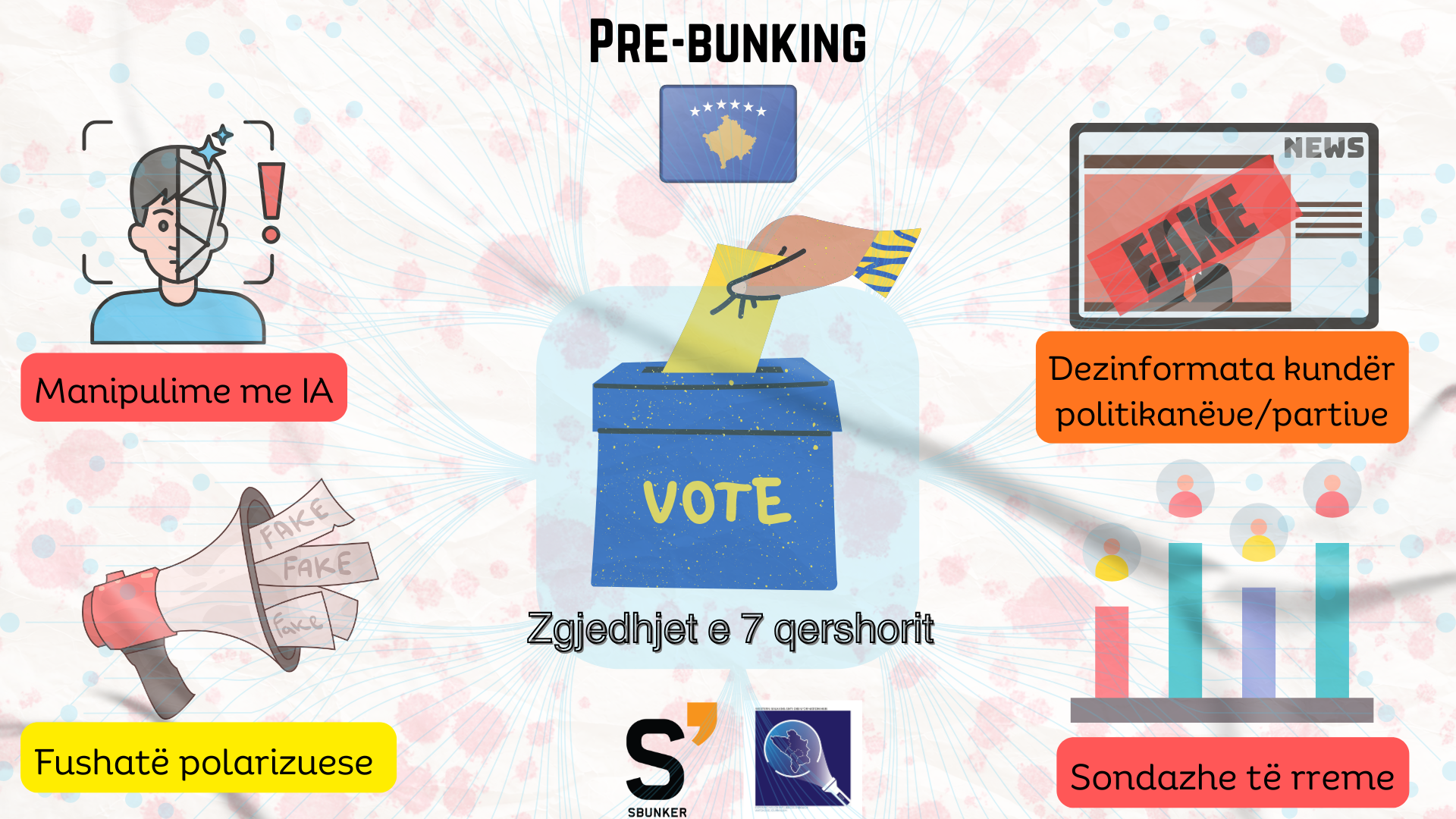
Disinformation tactics are expected to include fake or manipulated public opinion polls, continuation of the identified trend of increased activity on platforms, and the growing use of AI-generated content to amplify misleading narratives. These methods are likely to accelerate in the pre-election period, reinforcing existing divisions and amplifying uncertainty.
Overall, the intersection of internal political uncertainty and external geopolitical framing creates a highly permissive environment for disinformation, with competing narratives portraying Kosovo as politically dysfunctional or internationally isolated, thereby increasing polarization and undermining public trust.
Author