



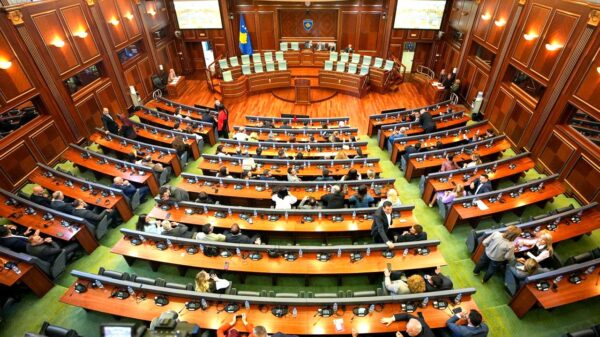
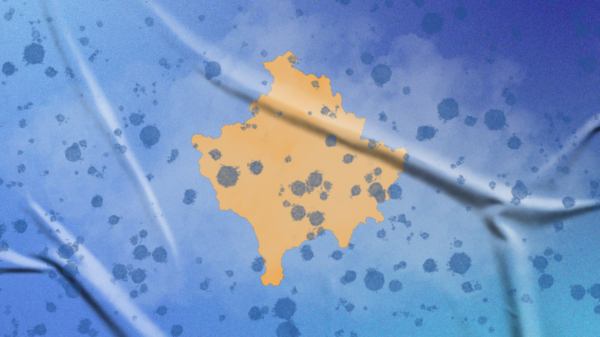





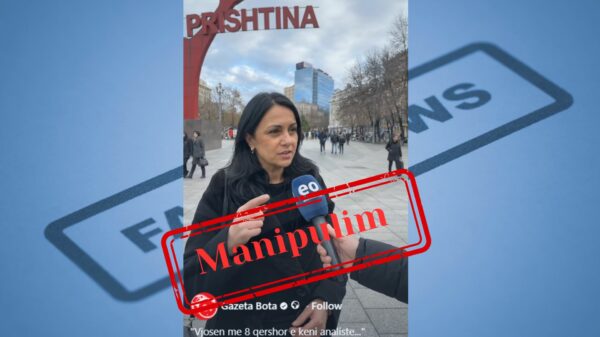
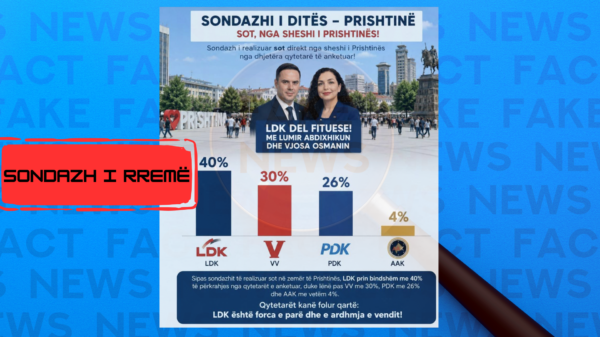
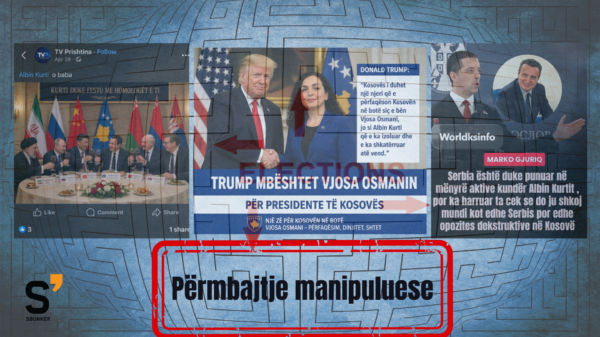
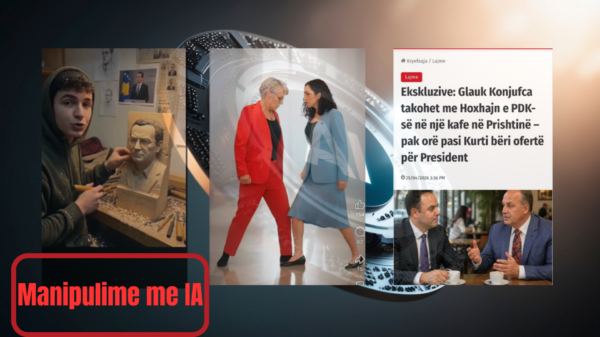





Between July and September 2025, Kosovo’s information environment was strongly shaped by prolonged political paralysis and institutional uncertainty, which became the primary drivers of disinformation during this period. The continued failure of the Assembly to constitute itself months after the elections created an information vacuum that was widely exploited by both domestic actors and foreign media ecosystems aligned with Serbia and Russia. These narratives portrayed Kosovo as politically dysfunctional and incapable of democratic governance.
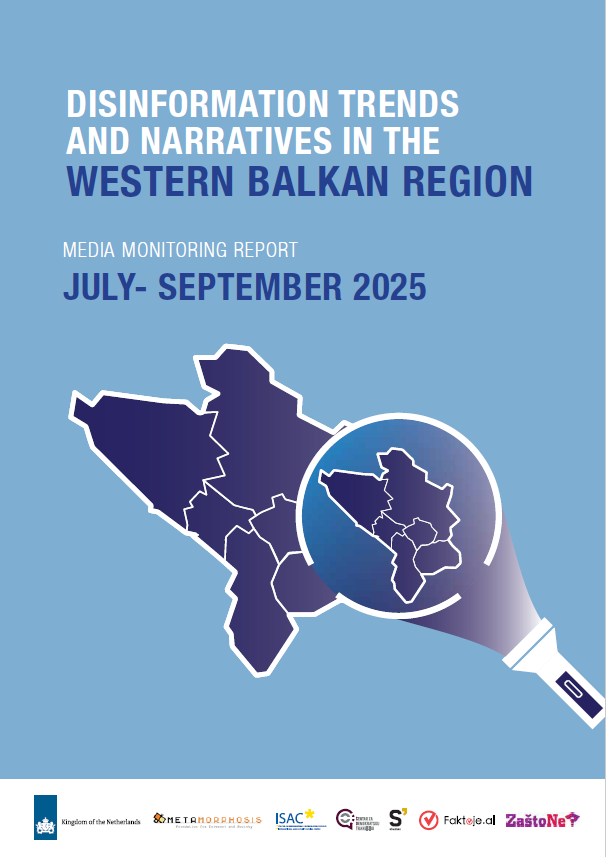
MEDIA MONITORING REPORT JULY- SEPTEMBER 2025
The third quarter of 2025 was marked by an intensified anti-EU and anti-Western disinformation environment in the Western Balkans. These findings are based on systematic monitoring and analysis conducted through the Western Balkans Anti-Disinformation Hub, drawing on a regional network of partner organizations and a shared methodology aligned with European Union (EU) and NATO definitions. These narratives consistently framed the European Union as ineffective, biased, hostile to regional interests, and weak, while Western actors were portrayed as intrusive forces responsible for political instability. Together, these messages aimed to erode trust in European and transatlantic institutions and undermine public support for democratic governance.
The EU was systematically portrayed as a coercive actor, accused of imposing policies that undermine national sovereignty and democratic decision-making. Sub-narratives suggested that EU accession is determined by religious affiliation, reinforcing perceptions of discrimination against Muslim-majority countries and deepening feelings of exclusion. Other narratives framed EU actions as driven primarily by geopolitical hostility toward Russia rather than by principled engagement, while fear-based messaging predicted instability or renewed conflict in Europe, recasting the EU as a destabilizing force rather than a key partner in regional security.
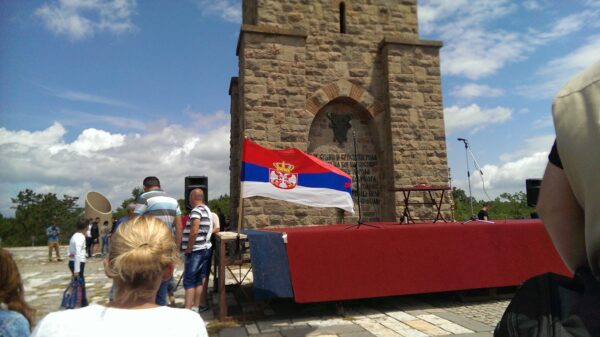
As 2025 marked the 30th anniversary of key war crimes from the Yugoslav conflicts, commemorative moments were widely weaponized for disinformation purposes. Srebrenica-related narratives emerged as one of the most active disinformation clusters during this period, triggered by the 30th anniversary of the genocide. Denialist and revisionist narratives contested established historical and judicial facts, while responsibility for the genocide was reframed as a politically motivated construct imposed by Western actors. Commemorations were portrayed as instruments of pressure rather than acts of remembrance or accountability, further intertwining historical revisionism with contemporary anti-EU sentiment.
Full report: DISINFORMATION TRENDS JULY- SEPTEMBER 2025
Author