

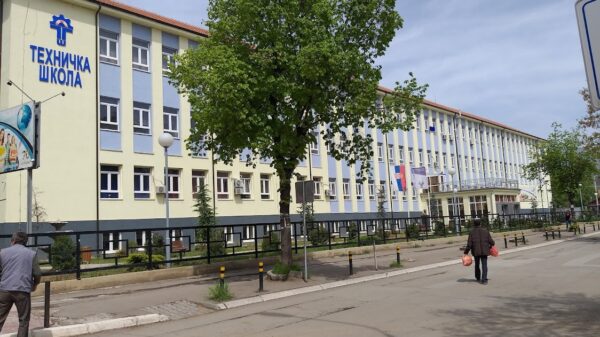



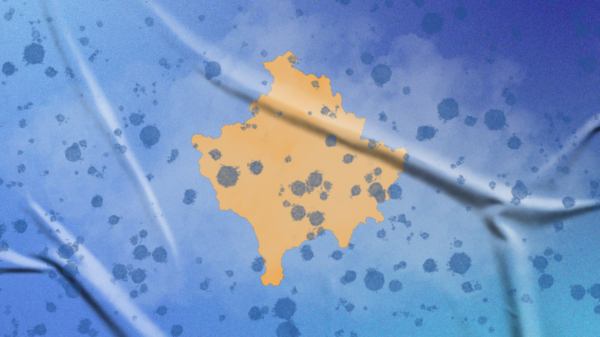










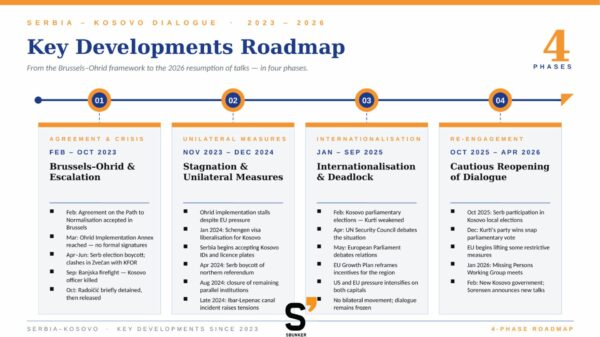


Kosovo’s political landscape was shaped by escalating geopolitical tensions, where the broader confrontation between the West and Russia, channeled through Serbia’s influence, positioned the country as a strategically sensitive area. The year was marked by significant diplomatic hurdles, most notably the failure to join the Council of Europe, as international pressure shifted toward the establishment of the Association of Serb-Majority Municipalities. Domestically, relations with strategic partners like the United States faced temporary strain following the Central Bank of Kosovo’s regulation on currency, which prompted sharp warnings from U.S. officials.
Anti-Western narratives
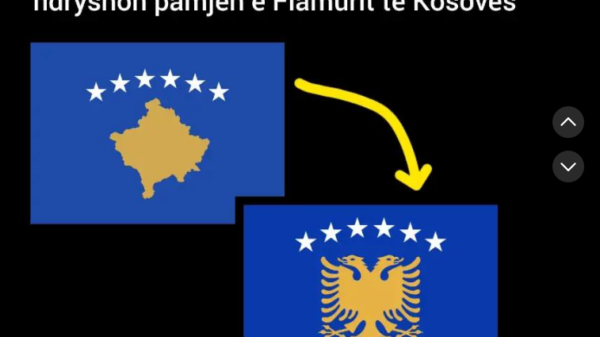
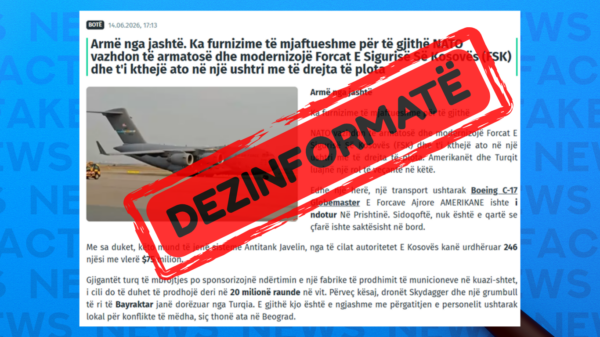
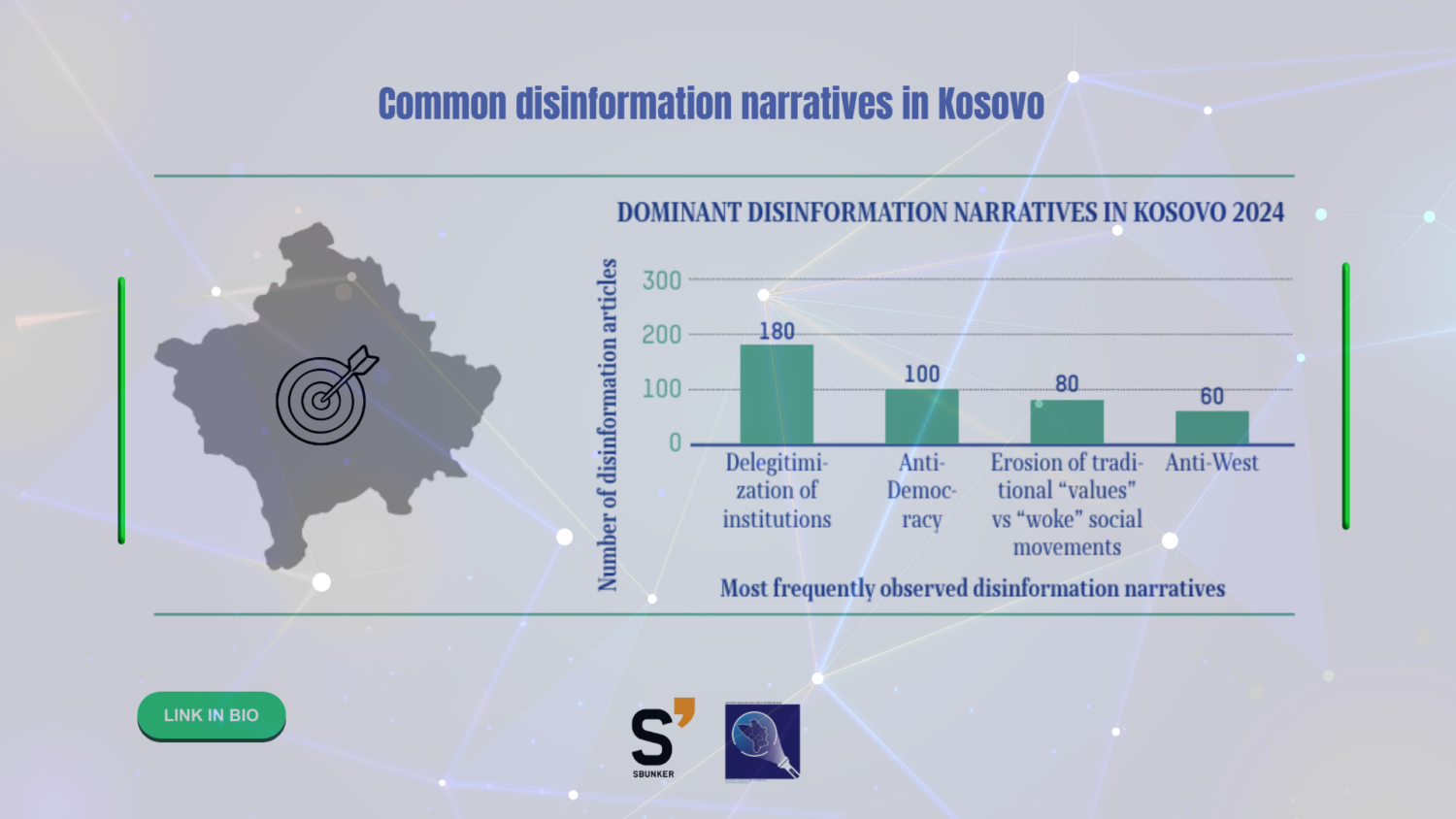
According to data from the Knowledge Hub Database for 2024, disinformation in Kosovo was primarily aimed at portraying Kosovo’s institutions as engaging in unfair treatment and exercising illegal jurisdiction, particularly in the northern part of the country concerning the Serbian community. Anti-Western narratives framed Kosovo as a Western-backed attack on Serbia, allegedly opposing traditional life, religion, and cultural values in the region. Although Kosovo experiences the least Western-directed disinformation in the Western Balkans, it is significantly affected by spillover from Serbian media, which amplifies these narratives and reinforces local divisions. Anti-democracy narratives further claimed that Kosovo’s government was unable to manage its relationship with Serbia effectively or protect the rights and interests of the Serbian community, portraying institutions as weak and dysfunctional.
Influence of Information Threats: Informational Weapons and Radicalization
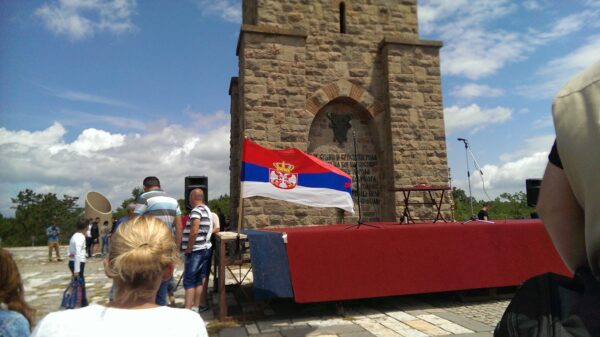
Information threats in Kosovo function as an active instrument of political conflict rather than mere commentary, designed to shape public opinion and fuel polarization. The information environment is heavily impacted by narratives framing political disputes as existential struggles. These narratives are propagated by a combination of domestic actors like Serbian political parties and foreign actors, including Serbian government officials and pro-government media, amplified by Russian state-backed outlets. A critical development in 2024 was the emergence of pro-Russian Telegram channels acting as informational weapons. These channels operate outside traditional moderation, transforming local incidents in northern Kosovo into nationalist calls for mobilization within minutes, thereby deepening ethnic divisions and fostering a parallel reality of victimhood.
Election Integrity: Cyber Threats and Deepfakes
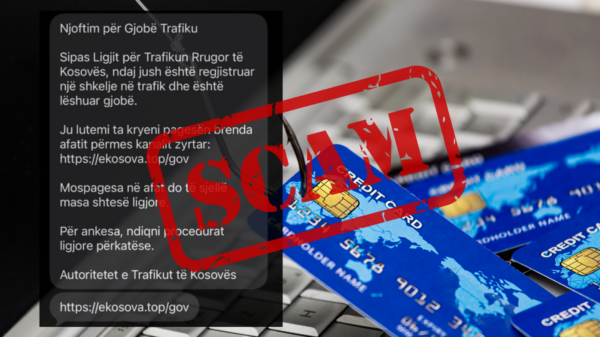
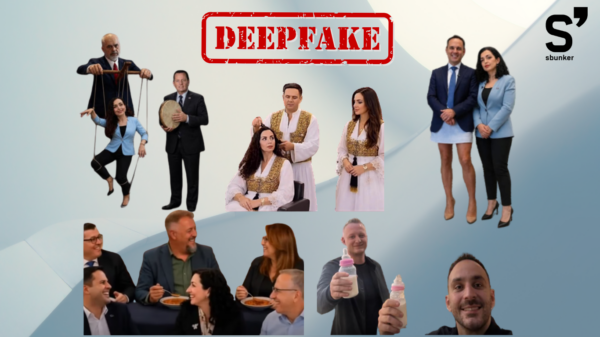
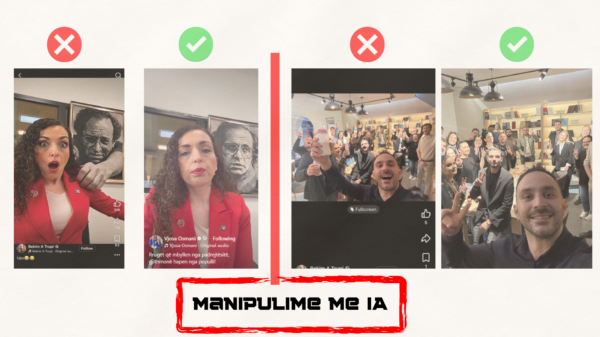
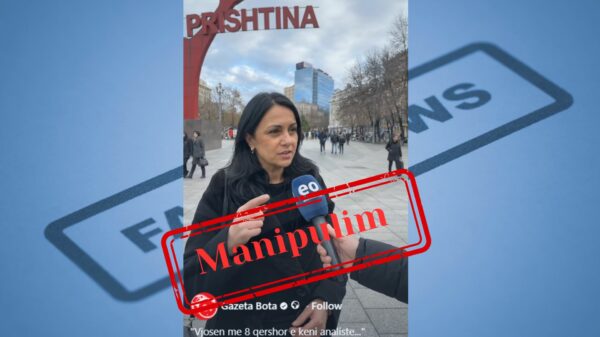
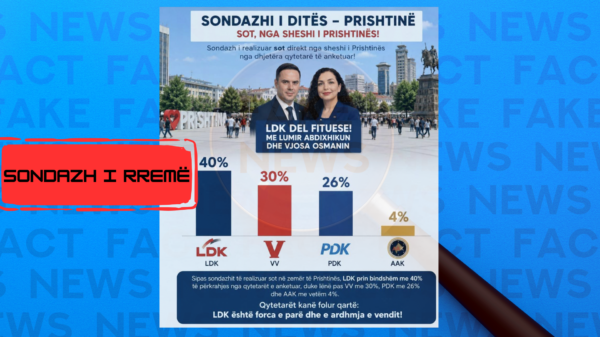
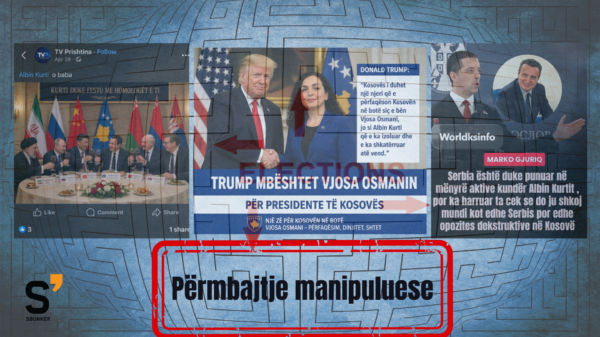
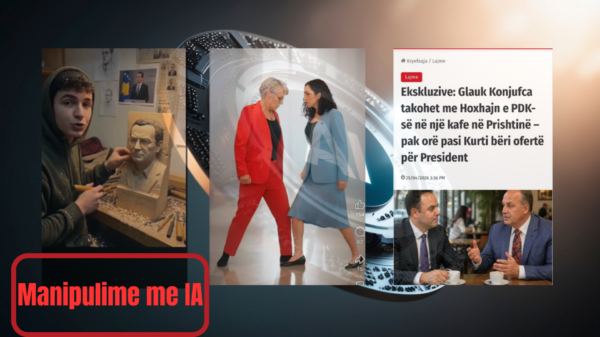
The integrity of elections in Kosovo is challenged by sophisticated digital interference despite the Central Election Commission’s (CEC) willingness to cooperate with civil society. While the CEC has attempted to modernize, previous elections witnessed the failure of online results platforms due to cyber-attacks, highlighting technical vulnerabilities. During election periods, disinformation campaigns utilize techniques such as deepfakes, fabricated news, and synchronized bot networks to discredit electoral bodies and manipulate voter behavior. These campaigns are often orchestrated by external actors, using online portals registered abroad to spread divisive messages. Furthermore, the current legal framework, while broadly aligned with international standards, lacks explicit provisions addressing disinformation or coordinated inauthentic behavior online, leaving a significant gap in legal protection.
Regulation of Digital Platforms: Constitutional Hurdles and Implementation Gaps
Kosovo’s efforts to regulate digital platforms and align with the EU’s Digital Services Act (DSA) have been marked by legal controversy and implementation struggles. The government has committed to digitalization and EU alignment, but progress is slowed by limited resources and technical capacity. A major legislative attempt to regulate online media occurred in July 2024, when the Assembly passed a law requiring online media to obtain licenses from the Independent Media Commission (IMC) and face heavy fines for violations. However, this law was subsequently repealed by the Constitutional Court, which found it unconstitutional, requiring a revision of the framework. Additionally, institutional weaknesses in monitoring the digital sphere are evident. Despite government bans on sanctioned Russian outlets like RT and Sputnik, these channels remain accessible through certain internet service providers, undermining the effectiveness of state sanctions.
Monetization of Disinformation: Limited Defense Mechanisms
The “monetization” aspect in Kosovo is less about commercial profit and more about the unchecked flow of politically motivated resources, compounded by a lack of mechanisms to “demonetize” or penalize harmful content. The country currently lacks comprehensive legislation effectively targeting the financing or spread of online disinformation and there is no state-run platform for debunking. Preparedness to demonetize disinformation is evaluated as limited; while the CEC and other bodies show some political will, they lack the staff, funding and technical tools to monitor online content effectively. The fight against these threats relies heavily on civil society organizations and fact-checkers, as state institutions struggle to enforce accountability on platforms or disrupt the infrastructure of disinformation.
Read full report here: Geopolitics_of_information_threats_in_the_Western-Balkans
Author